
 马上加入
马上加入 How to Trade on Binance: A Step-by-Step Guide for Top 10 Exchange Operations
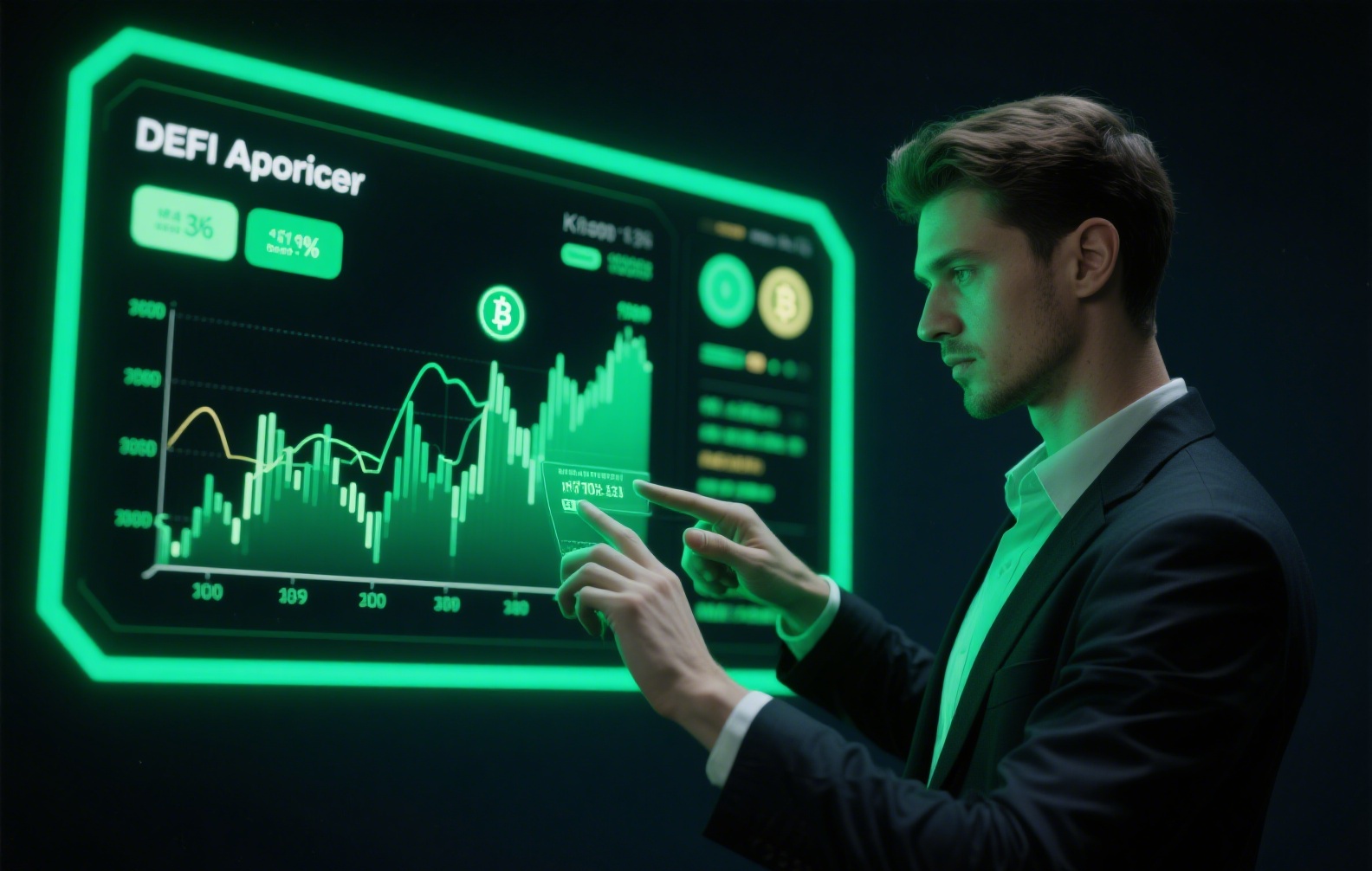
Binance remains one of the most widely used cryptocurrency exchanges in the world. Understanding how to operate on this platform is essential for both beginners and experienced traders. This guide breaks down the key steps involved in using Binance, covering account setup, deposits, trading, and security measures.
First, creating an account is straightforward. Visit the official Binance website or download the app. You will need to provide a valid email address and create a strong password. Following registration, the platform requires identity verification, known as Know Your Customer (KYC). This typically involves submitting a government-issued ID and a selfie. Completing KYC unlocks higher withdrawal limits and full access to trading features.
Once your account is verified, the next step is depositing funds. Binance offers multiple options. You can transfer cryptocurrencies from another wallet using the deposit address for your chosen coin. Alternatively, you can use fiat currency via bank transfer, credit or debit card, or services like P2P trading. The P2P platform allows you to buy crypto directly from other users using local payment methods, often with zero fees.
With funds in your account, you can begin trading. Binance provides several trading interfaces. The "Classic" view is suitable for simple market and limit orders. The "Advanced" view offers more charting tools and order types like stop-limit and OCO (One Cancels the Other). To execute a trade, select a trading pair, such as BTC/USDT. Choose whether you want to buy or sell, enter the amount, and confirm the order. It is crucial to understand the difference between a market order (executed immediately at current price) and a limit order (executed only at your specified price).
Beyond spot trading, Binance offers futures and margin trading. These are advanced products that involve leverage, meaning you can trade with borrowed funds to amplify potential gains. However, they also carry higher risk of significant losses. Beginners should start with spot trading until they are comfortable with market dynamics. Always use the "Isolated Margin" mode if trying margin trading, as it limits risk to a single position.
Security should be a top priority. Binance provides several safety features. The most important is Two-Factor Authentication (2FA). Enable it using Google Authenticator or a hardware key. Additionally, set up anti-phishing codes and whitelist withdrawal addresses. These measures prevent unauthorized access to your account. Avoid clicking on links from unknown sources, and always double-check the website URL.
For users looking to maximize their experience, Binance also has additional services. The "Earn" section allows you to stake coins, lend assets, or participate in savings accounts to earn interest. The "Launchpad" offers early access to new token sales. The "Convert" feature is a simple way to swap coins instantly without using the order book. Each of these features is accessible from the platform's main menu.
In summary, operating on Binance involves account creation, verification, depositing funds, and executing trades through its interface. Prioritize security by enabling 2FA and using withdrawal whitelists. Start with basic spot trading before exploring futures or margin. By following these steps, you can navigate the platform safely and effectively. Always monitor market conditions and never invest more than you are willing to lose.

发表评论